Q1 Agency Compensation Trends | Powered by Catalyit
January 2026
Attracting and retaining top talent starts with knowing where you stand. This is a high-level preview of the Agency Compensation 360 Study. Complete the survey to unlock full insights and benchmarking.
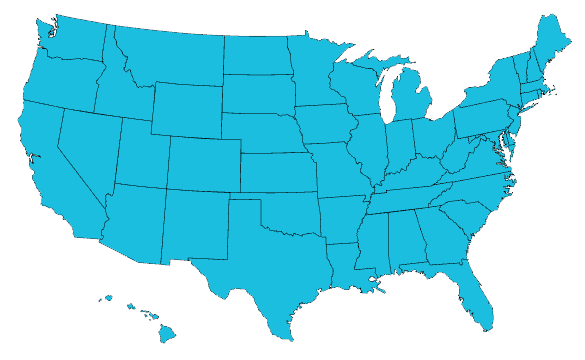
Participating States
Compensation is now transparent.
- Pay information is more visible and shareable than ever.
- Employees and candidates compare roles, ranges, and structures.
- Agencies are expected to explain—not just make—compensation decisions.
- Guesswork creates risk—data creates confidence.
Agency Compensation 360...
Agency Compensation 360 is the first-of-its-kind compensation study for independent insurance agencies, designed exclusively for independent agencies by Big "I" States. The multi-state participation has created credible benchmarks, featuring interactive real-time analytics dashboards that allow for filtering by state, agency size, role, and growth profile.
What The Study Covers:
Salary and commission structures
Benefits and PTO trends
Remote and flexible work practices
Staffing models and outsourcing
Future hiring and compensation planning
Participation Snapshot
National Overview
Total Respondents
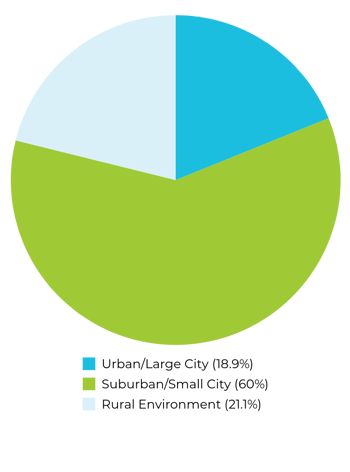
Community Type
Agencies operating in multiple states
Agencies with multiple offices/branches
Average number of offices/branches
National Participant Composition
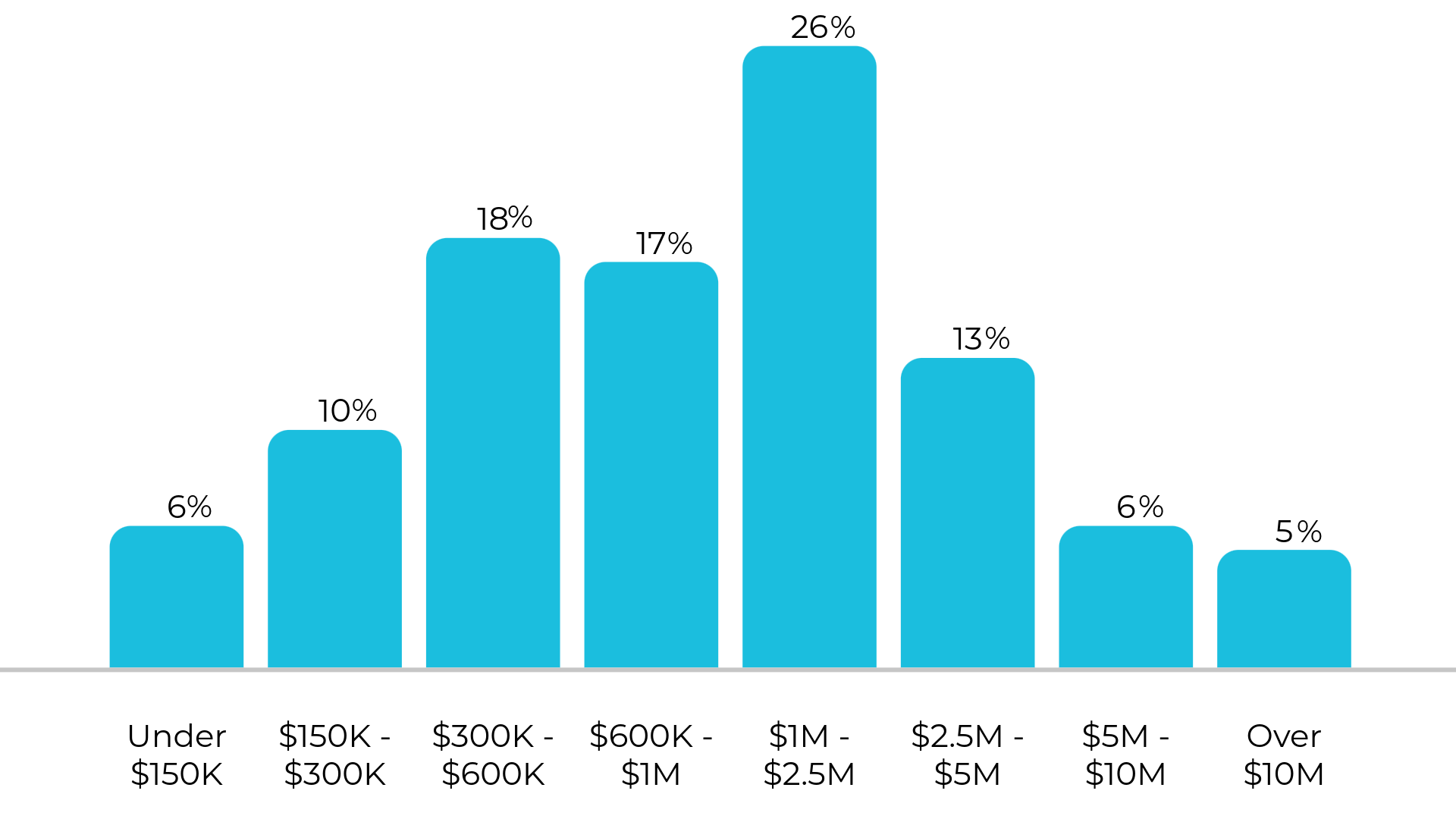
Agency's Total Commissions
Ownership Structure
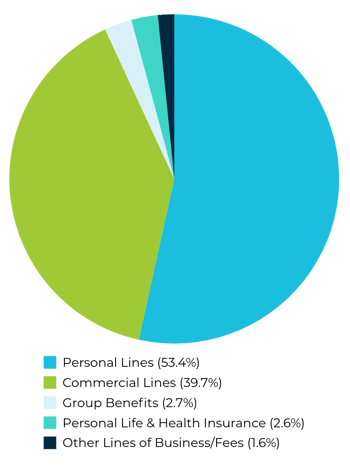
Revenue Distribution
Why Participation Matters:
Larger Datasets
Apples-to-Apples
Benchmark
Regional Insights
The insurance talent market is tight.
- Insurance agencies are competing for talent in a tight financial services labor market.
- The competition isn't just other agencies—it's banks, financial firms, and other employers looking for similar skill sets.
- Recruiting and retention pressure continues, making compensation decisions more important than ever.
U.S. Bureau of Labor Statistics – Insurance Carriers and Related Activities (NAICS 524)
Good data is essential.
- The insurance workforce is aging, and fewer experienced professionals are entering the industry.
- Employment growth is steady but modest, increasing competition for qualified candidates.
- Compensation is more transparent and easier to compare than ever.
Clear, credible compensation data helps agencies make smarter decisions.
What Is The Data Showing?
Real data. Real agencies. Here's how to use it.
Benchmark, don’t copy. Keep this in mind.
When using Agency Compensation 360 Analytics, remember it’s a benchmark—not a blueprint. Every agency is different. Focus on context, not matching another agency line-by-line. This is a valuable tool, free to participants, that helps you confirm direction, stay current on market trends, and make informed compensation decisions before issues surface.
National Workforce
Avg # of Full Time W-2 Employees
Median: 6
Avg # of 1099 Employees
Median: 0
Avg Annual
Payroll
Median: $400,812
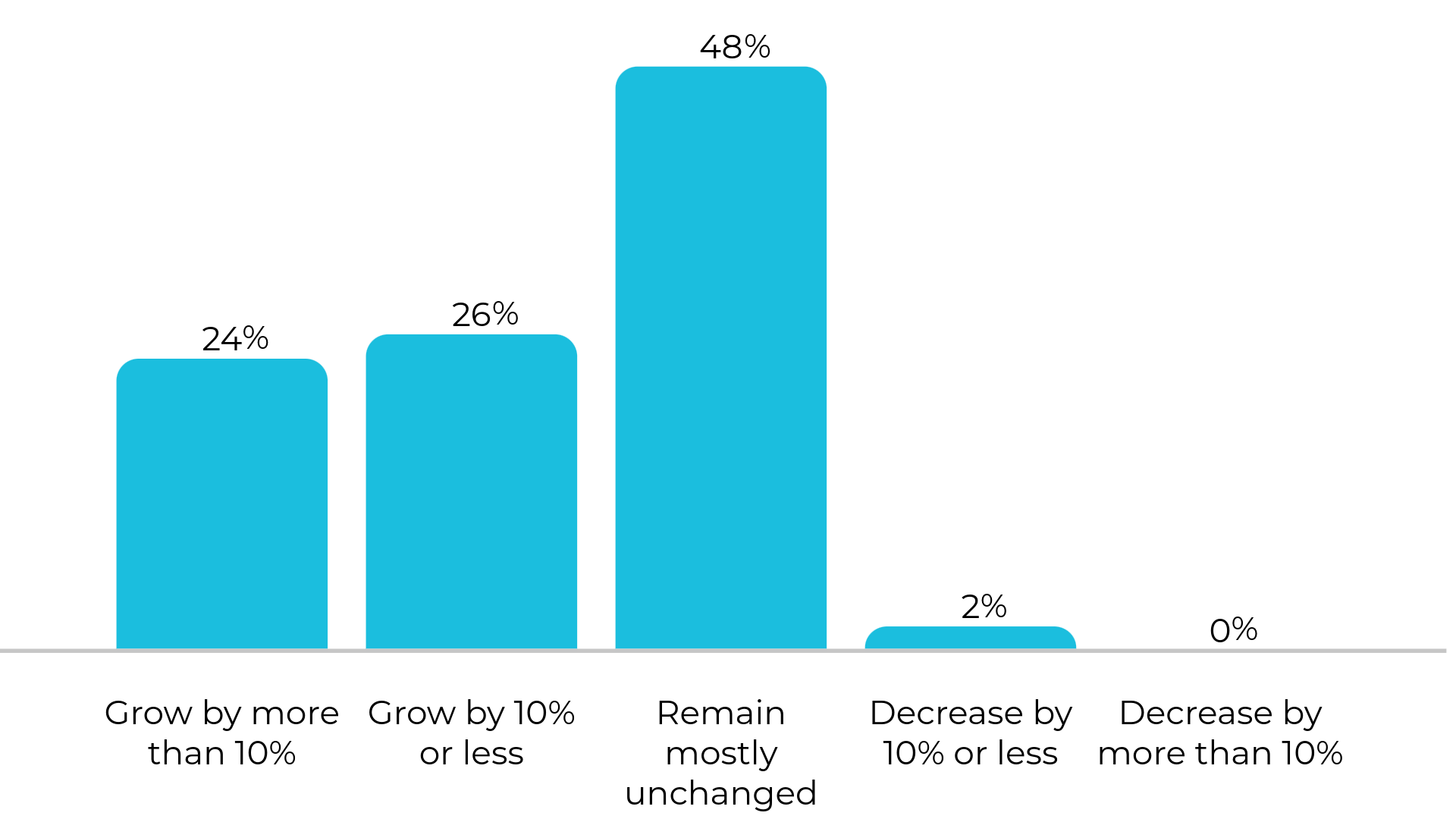
In the next year, we anticipate our agency staff size to...
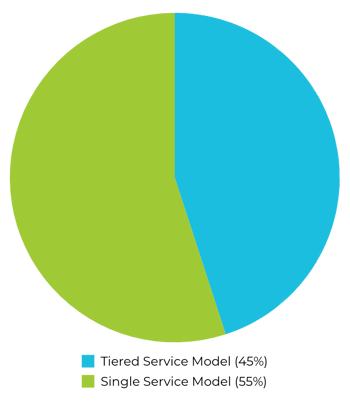
Customer Service/Support Model Used
Average Payroll Expense as a Percent of Total Revenue
Comp360 Insight:
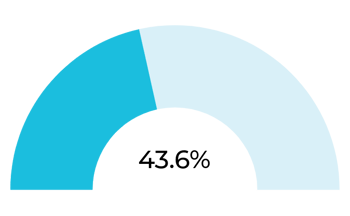
At 43%, payroll sits in a healthy but tight range. Service businesses typically target 40%–50%.
Above that pressures margins, but below that can indicate underinvestment in people or over-reliance on technology.
State Workforce
Benefits
Making a difference beyond a paycheck.
Employee benefits vary significantly between agencies and play a crucial role in attracting and retaining top talent. Many agencies now use a single PTO bank for greater flexibility, while core benefits like group health insurance (63.7%), dental insurance (49.9%), and vision insurance (43.4%) remain key differentiators—especially as healthcare costs continue to rise.
To help employees understand their full value, consider providing a total compensation statement that includes base pay, bonuses, employer-paid insurance costs, retirement contributions, and other benefits. When employees see the complete picture of how your agency invests in them, it strengthens engagement and loyalty.
National PTO Benefits
Separate sick time and vacation time
Avg # of sick hours an employee starts with
Median: 40h
Avg # of sick hours earned with each year of service
Median: 0h
Avg # of vacation hours an employee starts with
Median: 72h
Avg # vacation hours earned with each year of service
Median: 8h
Only one set of PTO hours
Avg # of PTO hours an employee starts with
Median: 80h
Avg # of PTO hours earned with each year of service
Median: 8h
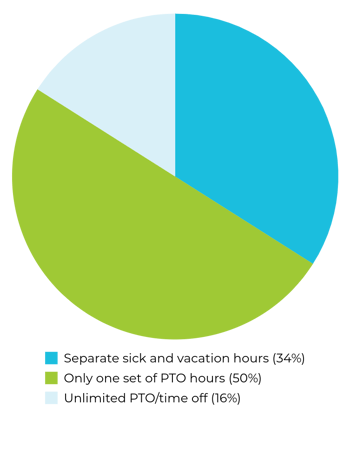
Type of PTO Hours Provided
Comp360 Insight:
Separate sick and vacation time PTO policies typically provide employees with about 25 more hours of total time off annually compared to combined PTO banks.
National Employee Benefits
Benefits offered to eligible employees
(percentage of agencies that offer benefit)
Group Health Insurance
Dental Insurance
Vision Insurance
Group Life/Disability
HSA
FSA
Employee Wellness Program
Paid Family Leave
401(K)
IRAs
Employee Stock Ownership Plan (ESOP)
Profit Sharing
Pension Plan
National Health Insurance Benefits
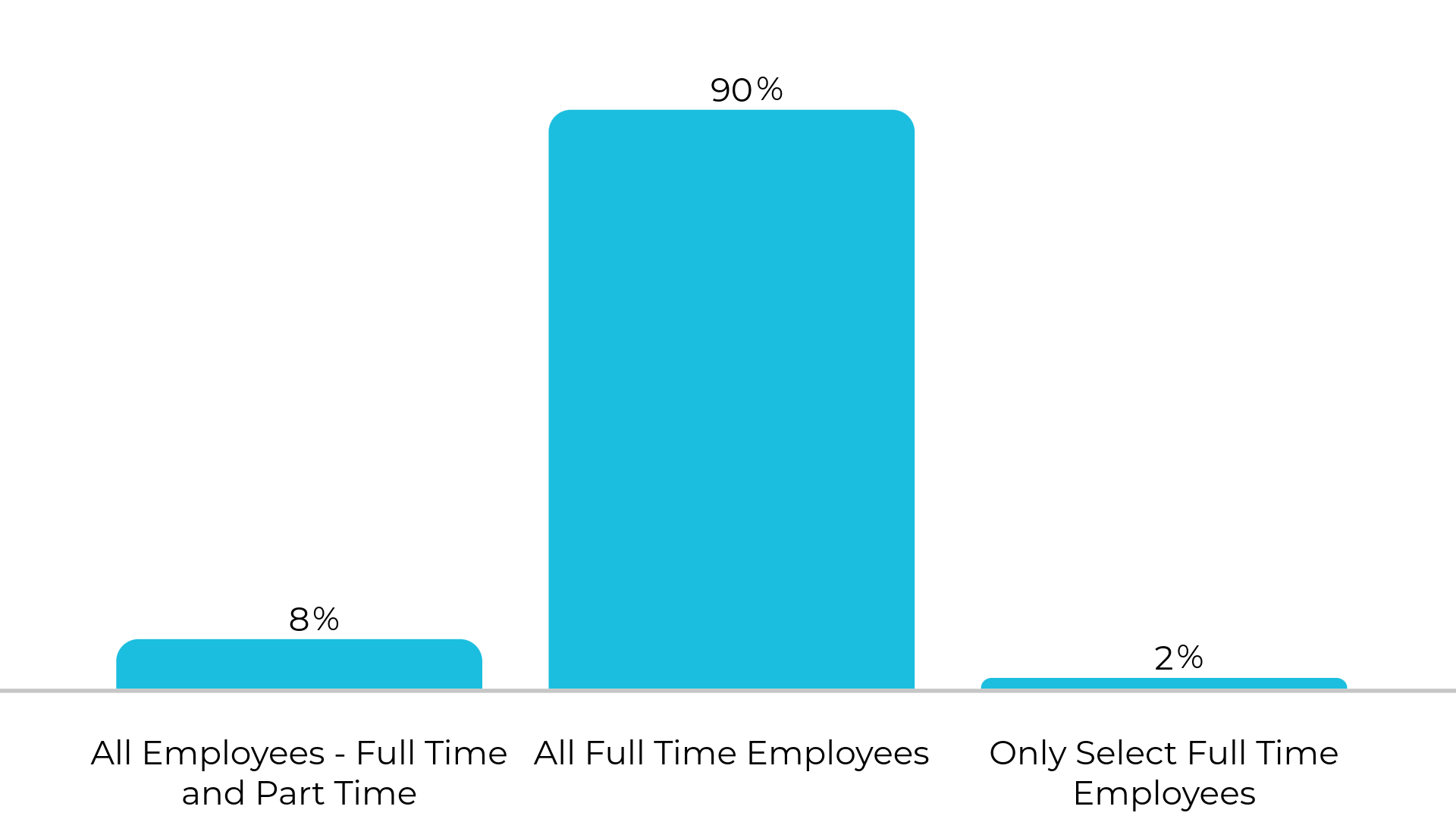
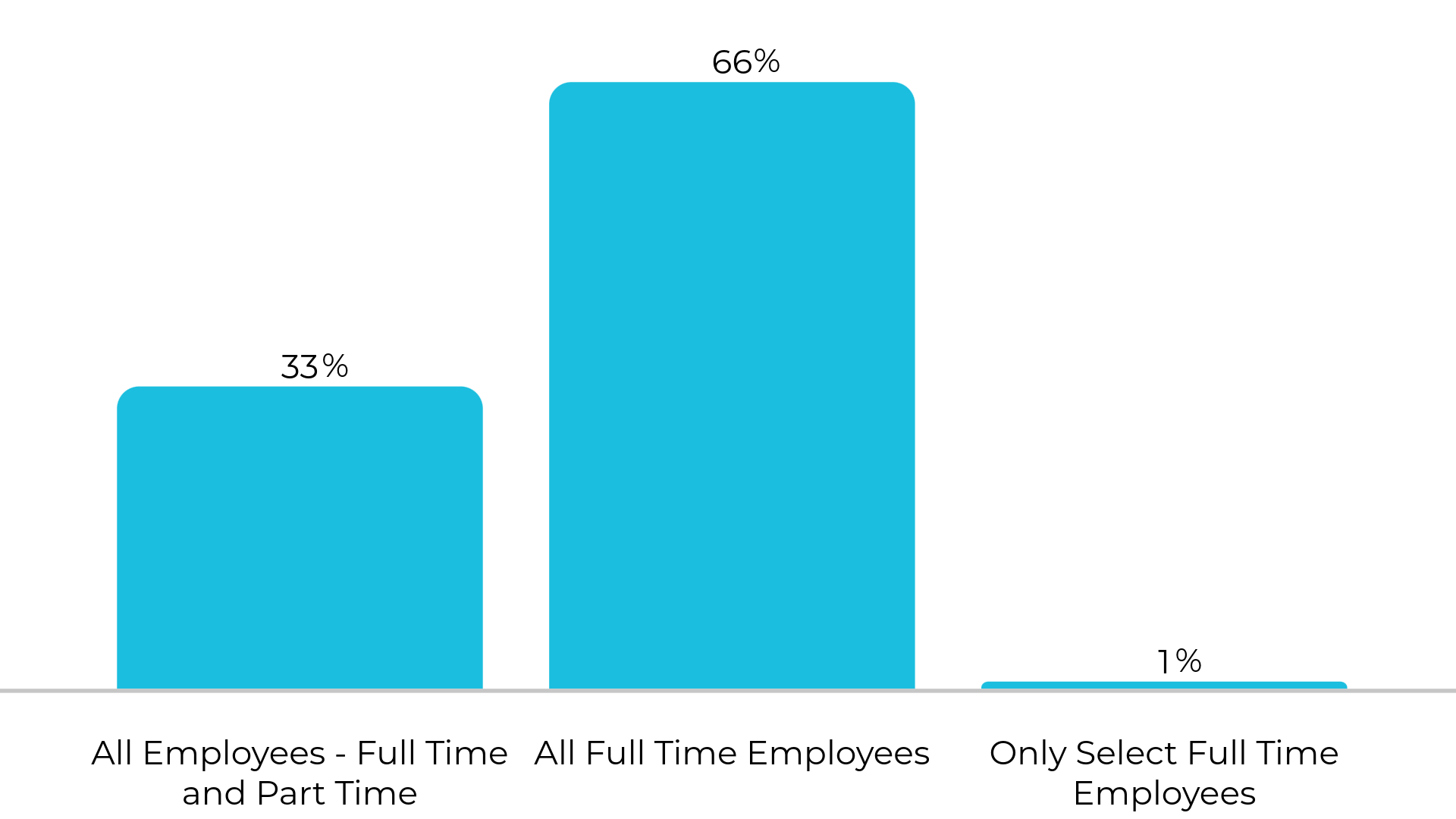
Types of employees eligible for health insurance
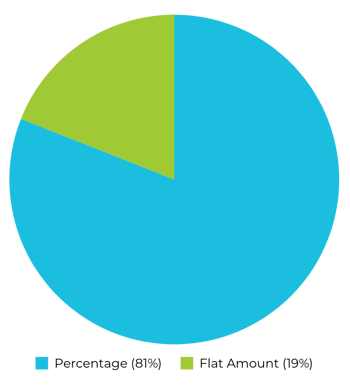
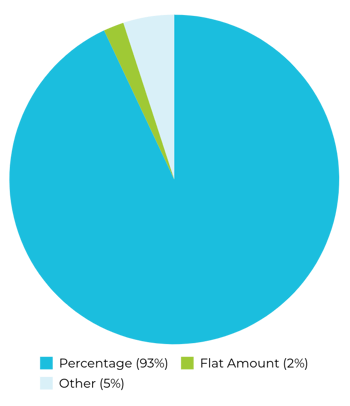
Type of employer contribution to total health insurance cost
Avg % employer pays for employee health insurance
Median: 100%
Avg % employer pays for spouse's health insurance
Median: 0%
Avg % employer pays for children health insurance
Median: 0%
Avg $ employer pays for employee health insurance
Median: $600
Avg $ employer pays for spouse's health insurance
Median: $0
Avg $ employer pays for children health insurance
Median: $0
National 401(K) Benefits
Types of employees eligible for 401(K)
Avg % matched by employer
Median: 4%
Avg $ matched by employer
Median: $0
Type of employer match for 401(K)
Compensation and Outsourcing
Individual pay data by role tells an interesting story. Producer compensation shows consistent—and sometimes exponential—growth over time. Account Manager/CSR pay follows a very different pattern. New hires with 0–3 years of industry experience often start at higher salaries, while long-tenured employees may fall behind market rates, creating internal equity challenges. In some states, the gap is even more striking. Parts of the U.S. show a nearly flat pay distribution, with little difference between employees with 0–3 years of experience and those with 20+ years in the industry. Over time, this dynamic may create retention challenges, as employees see limited opportunity for meaningful pay growth.
Compensation
Coverage Across Agency Roles
Depth of Data:
- 15,000+ individual position data points reported
- Filter by state, line of business, validation status (producers) and more
- Provides reliable, role-specific benchmarks across leadership, production, service, and support functions
- Enables meaningful comparisons at both the state and national level
Roles Included in the Study:
Owner/Principal • Executive Leadership Producers • Account Executives • Account Managers / CSRs • Processors / Technical • Accounting / Finance • Human Resources • Operations • Marketing • Administrative / Reception • IT
National Producer Compensation
Commission Rates (for employees earning commission only)
Personal Lines
Commercial Lines
National Account Manager/CSR Compensation
Annual Salary (excludes hourly, no extra compensation)
A Key Trend to Watch
New hires are often coming in at higher salaries, while long-tenured employees may lag behind market rates--creating internal equity challenges.
Outsourcing
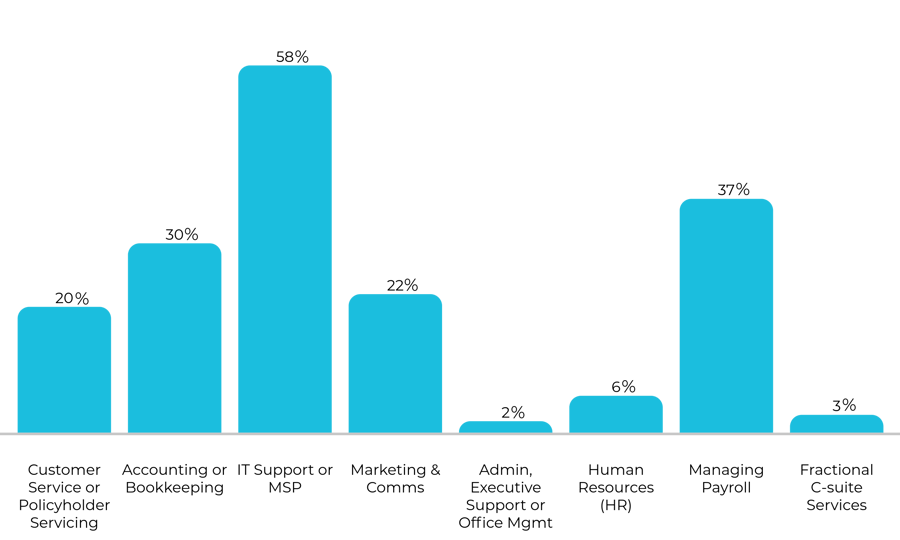
Does the agency outsource any work related to...?
Comp360 Insight:
Agencies are using outsourcing to offload back-office and specialized support, not to replace client-facing talent. This suggests a deliberate focus on protecting the customer experience while controlling overhead.
Turning Insights Into Decisions
Data is only valuable if you know how to use it.
Data highlights risks and opportunities, but it doesn't tell you what to change.
That's where a clear compensation philosophy matters.
Compensation Philosophy
What factors should you consider?
Agency culture and values
Financial position
Size and growth stage
Business objectives
Local talent availability
What's the importance of defining a compensation philosophy?
It brings context to the data, helps interpret what the numbers mean for your agency, and creates consistency across roles and time. It supports decisions, not reactions.
What does a compensation philosophy do?
- Aligns pay with business goals
- Clarifies how performance is rewarded
- Helps explain pay decisions clearly and confidently
- Reduces ad-hoc and emotional decisions
Using data through a philosophy lens
- What are we trying to reward—growth, retention, efficiency?
- Where do we want to lead, meet, or lag the market?
- How much variability makes sense for our agency?
- What can we sustainably afford?
Using Comp360 The Right Way
- Start with credible data
- Apply it through a clear philosophy
- Make thoughtful, sustainable compensation decisions
Key Takeaways
-
Compensation structures are market-responsive but increasingly complex
-
Pay equity and career progression need intentional design, not experience-based assumptions
-
Outsourcing is being used as a scalability lever, not a workforce substitute
What Matters Most:
Compensation is more transparent than ever
Data reduces risk and guesswork
Agencies now have access to meaningful data
Defined philosophy turns that data into action
Now It's Your Turn. Turn Your Data Into Action.
This is just a snapshot. Get the full picture by completing the survey.
Available Filters
Here's a full list of the filters available across the analytics dashboard.
State: Choose all states, or select individual states; option to select regions within states you are a Big I member of
Community Type: All Community Types, Urban, Suburban, Rural
Agency's Total Written Premium: All Written Premium, Under $1.5M, $1.5M - $3M, $3M - $6M, $6M - $10M, $10M - $25M, $25M - $50M, $50M - $100M, Over $100M
Agency's Total Commissions: All Commissions, Under $150K, $150K - $300K, $300K - $600K, $600K - $1M, $1M - $2.5M, $2.5M - $5M, $5M - $10M, Over $10M
Number of Employees: Select All, 1 - 5, 6 - 10, 11 - 25, 26 - 50, 51 - 150, 151+
Predominant Line of Business: All Predominant Lines of Business, Group Benefits Focused - More than 50% from group benefits, Commercial Focused - More than 50% from commercial lines, Personal Lines Focused - More than 50% from personal lines, Personal Life & Health Insurance, Mixed - no single line exceeds 50%
In addition, here are the following filters available within the Employee Compensation section of the analytics dashboard.
Employee Role: All Employee Roles, Owner/Principal, Vice President/Executive, Producer, Account Executive, Account Manager/CSR, Processor/Tech, Accounting/Finance, HR, Operations, Marketing, Admin/Receptionist, IT
Employee Type: Full Time, Part Time
Employee State: Select State(s) for Where Employee is Based
Validated/Unvalidated: Validated, Unvalidated Producer Status
Employee Line of Business: All Lines of Business, Personal Lines, Commercial Lines, Benefits
Book of Business: Does This employee service their own book of business - NA, Yes, No (Intended to identify producers that service their own book of business)
Available Data
Here's a full list of all the data available to you once you complete the survey.

- # of total respondents
- # of agencies operating in multiple states
- # of agencies with multiple offices/branches
- Avg # of offices/branches
- Participating states map graphic
- Agency breakdown by community type
- Agency's total commissions (excluding contingencies) by commission band
- Agency's total written premium (premium in force) by premium band
- Agency breakdown by ownership structure
- Agency breakdown by revenue distribution
- Avg (and median) # of full time W-2 employees
- Avg (and median) # of 1099 employees
- Avg (and median) annual payroll
- Customer service/support model used
- Avg payroll expense as a percent of total agency revenue
- Anticipated agency staff size changes for the next year
- Primary factors influencing agency's expected staffing changes in 2026
- % of agencies utilizing technology/automations to increase efficiency
- Breakdown of agency remote work policies
- Types of contracts required of producers
- Breakdown of typical producer validation period by months
PTO
- Type of PTO hours provided
- Separate sick time and vacation time
- Avg (and median) # of sick hours an employee starts with
- Avg (and median) # of sick hours earned with each year of service
- Avg (and median) # of vacation hours an employee starts with
- Avg (and median) # of vacation hours earned with each year of service
- Only one set of PTO hours
- Avg (and median) # of PTO hours an employee starts with
- Avg (and median) # of PTO hours earned with each year of service
Employee Benefits Offered
- Benefits offered to eligible employees (% of agencies offering benefit)
- Group Health Insurance
- Dental Insurance
- Vision Insurance
- Group Life/Disability
- 401(K)
- IRAs
- Pension Plan
- HSA
- FSA
- Paid Family Leave
- Employee Stock Ownership Plan (ESOP)
- Profit Sharing
- Employee Wellness Program
- Others
- Health Insurance
- Types of employees eligible for health insurance
- Type of employer contribution to health insurance
- Avg (and median) % employer pays for employee health insurance
- Avg (and median) $ employer pays for employee health insurance
- Avg (and median) % employer pays for spouse's health insurance
- Avg (and median) $ employer pays for spouse's health insurance
- Avg (and median) % employer pays for children health insurance
- Avg (and median) $ employer pays for children health insurance
- Dental Insurance
- Types of employees eligible for dental insurance
- Type of employer contribution to dental insurance
- Avg (and median) % employer pays for employee dental insurance
- Avg (and median) $ employer pays for employee dental insurance
- Avg (and median) % employer pays for dependent (family) health insurance
- Avg (and median) $ employer pays for dependent (family) health insurance
- Vision Insurance
- Types of employees eligible for vision insurance
- Type of employer contribution to vision insurance
- Avg (and median) % employer pays for employee vision insurance
- Avg (and median) $ employer pays for employee vision insurance
- Avg (and median) % employer pays for dependent (family) vision insurance
- Avg (and median) $ employer pays for dependent (family) vision insurance
- Group Life/Disability Insurance
- Types of employees eligible for group life/disability insurance
- Avg (and median) % employer pays for employee group life/disability insurance
- Avg (and median) % employer pays for dependent (family) group life/disability insurance
- 401(K)
- Types of employees eligible for 401(K)
- Type of employer contribution to 401(K)
- Avg (and median) % matched by employer
- Avg (and median) $ matched by employer
- IRA
- Types of employees eligible for IRA
- Type of employer contribution to IRA
- Avg (and median) % matched by employer
- Avg (and median) $ matched by employer
- Pension Plan
- Types of employees eligible for pension plan
- Type of employer contribution to pension plan
- Avg (and median) % matched by employer
- Avg (and median) $ matched by employer
- Paid Family Leave
- Types of employees eligible for paid family leave
- % of employers offering paid parental leave (in addition to short-term disability/FMLA)
- ESOP
- Types of employees eligible for ESOP
- Types of employees eligible for profit sharing
- Types of employees eligible for bonus
- % breakdown of employee type
- % breakdown of compensation type
- % breakdown of employment type
- % breakdown of bonus eligibility
- % breakdown of bonus driver
- % breakdown of employees with a designation
- Tables with pay data:
- Annual Salary (excludes Hourly, no extra compensation)
- Hourly Wage
- Base Salary (for employees being paid Salary + Commissions)
- Total Compensation (Salary + Commissions + Bonus)
- Commission Only - Commission Rates
- Salary + Commission - Commission Rates
- Bottom Quartile, Median, Average and Top Quartile, split out by Years of Industry Experience
- Commission Rates are split by New Business and Renewal Rates
- % of agencies outsourcing work, broken out by:
- Customer Service or Policyholder Servicing
- Accounting or Bookkeeping
- IT Support or a Managed Service Provider
- Marketing & Communications
- Administration, Executive Support or Office Manager
- Human Resources (HR)
- Managing Payroll
- Fractional C-Suite Services (CFO, CMO, COO, CTO, etc.)
- Avg $ monthly and FTE equivalent for each outsourcing task
- Avg $ monthly per workstation for IT Support/MSP
- Avg $ monthly per individual paid for outsourced payroll
The Study Is Open & In Real-Time
The magic in the study is interacting with this robust analytics portal and dashboard. Go play!
Go to the Comp360 Portal
Complete the survey
Gain immediate dashboard access
Explore insights by role, size, and state
Frequently Asked Questions
This survey will ask general agency questions such as agency size, mix of business and high-level agency-specific questions. Then you will be asked payroll and benefit information such as total annual payroll, questions about agency-provided insurance (health, dental, vision), other agency benefits, and outsourced services. Lastly, it will ask you about employee-specific pay structure.
For agencies with a smaller staff size, you are welcome to enter in the information directly in the survey. If you have a larger number of employees (more than 10 employees), then you can elect to use the provided Excel template to securely upload employee-specific pay information for all agency employees.
If your state association is participating in the multi-state Agency Compensation 360 survey, they provided Catalyit with an owner or principal who will be invited to participate in the survey. That individual will either need to participate directly or appoint another individual to participate in order to gain exclusive access to the analytics dashboard. In order to add a different user to complete the survey, please email comp360@catalyit.com with the individual's name, email and position.
Please note: this individual will have access to the results and data.
You can participate if you are an active member of any of these Big "I" Associations:
- Alabama Independent Insurance Agents
- Big I Arkansas
- Independent Insurance Agents and Brokers of Arizona
- Independent Insurance Agents and Brokers of California
- Professional Independent Insurance Agents of Colorado
- Big I Connecticut
- Florida Association of Insurance Agents
- Independent Insurance Agents of Georgia
- Independent Insurance Agents & Brokers of Idaho
- Big I Illinois
- Big I Indiana
- Kansas Association of Insurance Agents
- Big I Kentucky
- Independent Insurance Agents & Brokers of Louisiana
- Massachusetts Association of Insurance Agents
- Big I Maryland
- Maine Insurance Agents Association
- Big I Michigan
- Big I Minnesota
- Missouri Association of Insurance Agents
- Big I Mississippi
- Big I Montana
- Independent Insurance Agents of North Carolina
- Big I New Hampshire
- Big I New Jersey
- Nevada Independent Insurance Agents
- Big I New York
- Ohio Insurance Agents Association
- Big I Oklahoma
- Big I Oregon
- Insurance Agents & Brokers of Delaware
- Insurance Agents & Brokers of Pennsylvania
- Independent Insurance Agents of Rhode Island
- Independent Insurance Agents & Brokers of South Carolina
- Insurors of Tennessee
- Independent Insurance Agents of Texas
- Independent Insurance Agents & Brokers of Washington
- Independent Insurance Agents of Wisconsin
Full access to the analytics portal is limited to agencies that are both members of a participating state association and participate in the survey. Access to a downloadable report will be available for purchase at a later date.
Organizations that are not an independent agency cannot acquire access.
Data security and privacy is taken very seriously. All information submitted will remain highly confidential and only be accessible to certain employees involved in the survey process at Catalyit. Your information submitted will never be sold, shared, or otherwise disseminated prior to being aggregated and anonymized. All information gathered will be stripped of agency name, respondent name and other identifiable information. The analytics portal will include summarized statistics and facts without any possibility of identifying the agency or employee that responded.
The platform used to gather the data is SOC2 Type II Compliant. SOC 2 is a framework applicable to all technology service or SaaS companies that store customer data in the cloud to ensure that organizational controls and practices effectively safeguard the privacy and security of customer data.